The Genetic Scissors: Navigating the Ethics of CRISPR Governance
The democratization of gene editing technology has reached a tipping point for humanity. Without regulation on the global level, genetic germline engineering poses dangers in terms of causing irreversible mutations in human biology, leading to an uneven and inequitable society. This website will address the urgency for global regulation.
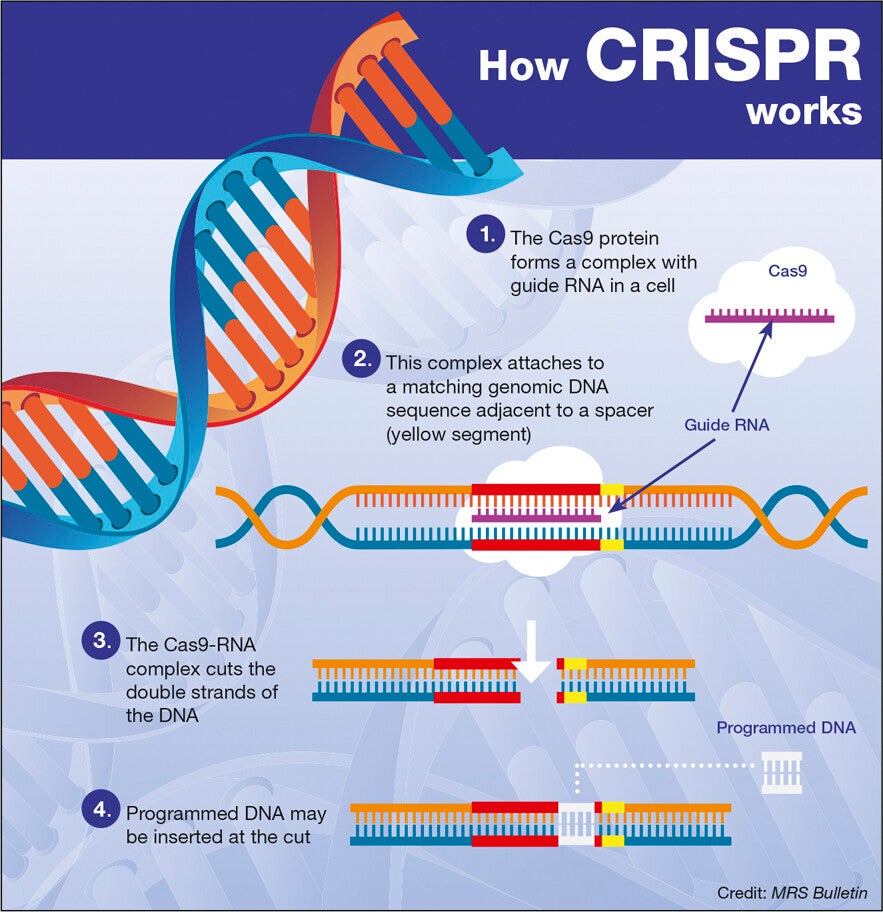
The CRISPR-Cas9 Revolution
Genome editing technology had been complicated, extremely costly, and inaccurate until the creation of CRISPR-Cas9 by Jennifer Doudna and Emmanuelle Charpentier. However, the discovery of these “genetic scissors” revolutionized the process of genome editing by enabling accurate genetic changes quickly and inexpensively.
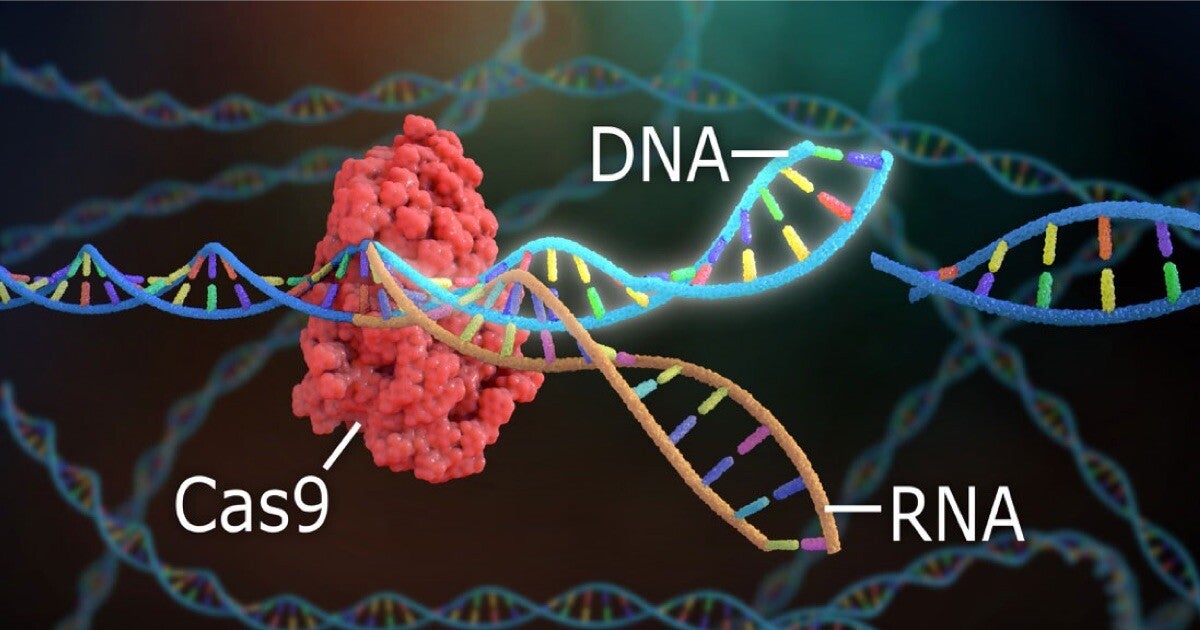
The Physiological Risks: Off-Target Effects & Mosaicism
However, there are some significant physiological risks posed by the speedy development of heritable editing. The most dangerous include the possibility of “off-target” effects whereby the Cas9 enzyme erroneously makes a cut in non-intended sites of DNA, as well as mosaicism, which is a situation where a portion of the cells in the embryo fail to take up the changes made. As noted in the Journal of Law and the Bioscience, these could lead to unpredictable genetic abnormalities.

Systemic Inequality & The Genomic Divide
Uncontrolled genetic modification has the potential of furthering health inequalities seen historically. This is based on studies made public in the PMC Authority database, which show that disadvantaged ethnic groups and socio-economically disadvantaged communities have not been included in initial genome study databases. Genetic modifications may therefore cause an unbreakable genetic gap, benefiting rich people alone.
The Global Regulatory Vacuum
In contrast to other forms of medicine, however, gene-editing lacks a standardized system of regulation worldwide. Due to the vast differences in bioethical practices between individual countries, “rogue” scientists have the ability to circumvent any strict forms of regulation simply by moving to more lenient territories.


The Catalyst: The He Jiankui Affair
The year 2018 saw scientists stunned after He Jiankui revealed the birth of the world’s first gene-edited babies. According to the Bioethics Perspectives from Harvard University, the research, which circumvented existing rules, served as a wake-up call across the world, illustrating that voluntary regulations alone cannot prevent unethical experiments on humans.
The Path Forward: A 10-Year Global Moratorium
As part of an effort to avoid haphazard jumps in human evolution, which could be harmful, we propose that the international community immediately adopts a compulsory moratorium on human germline engineering. It is during this period that regulatory authorities and the WHO can set up binding rules that follow the dictates of organizations such as the International Society for Cell & Gene Therapy.

Create Your Own Website With Webador